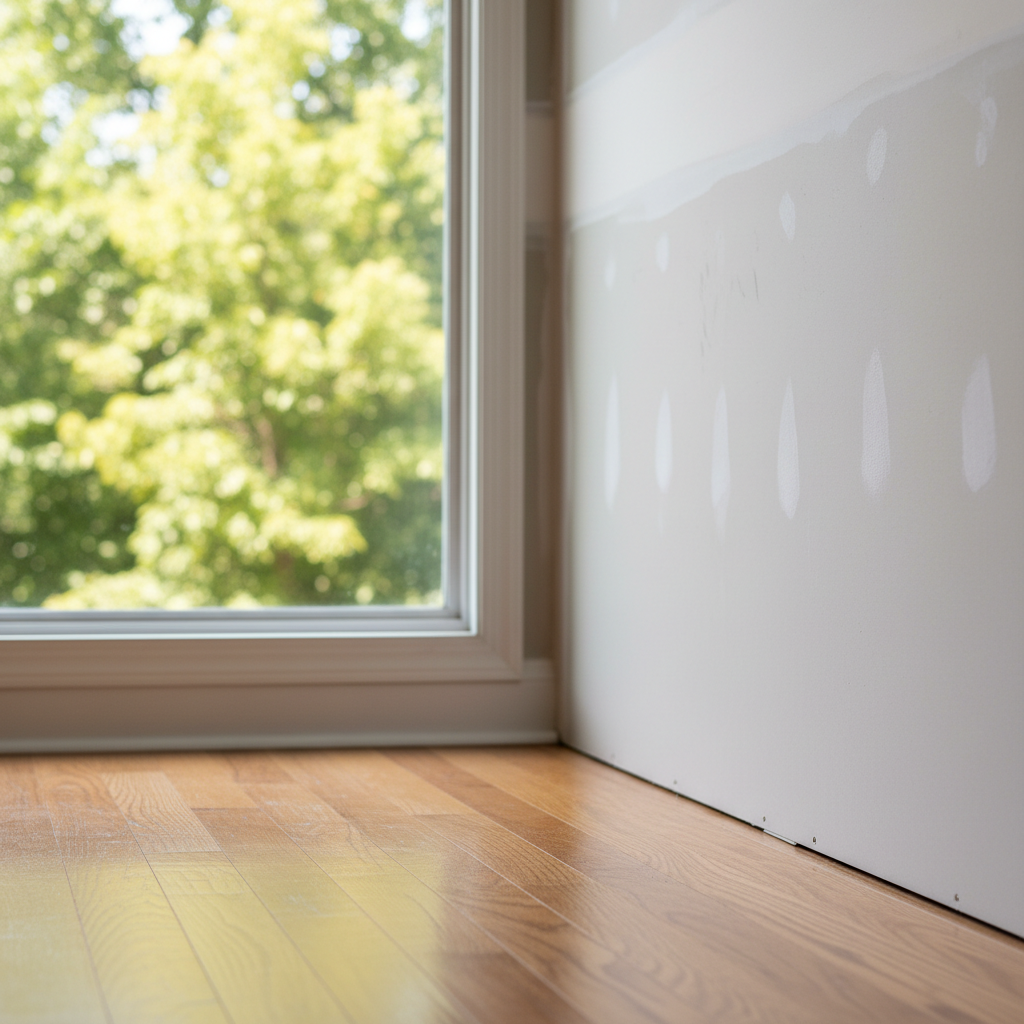
Water pooling in your kitchen or creeping across your hardwood floors can cause major problems for any home. If you live around Smyrna, you already know how heavy summer downpours and humid red clay can test a house's defenses. When a pipe bursts or a roof leaks, you have to move fast. But you do not always need to panic, and you do not always need to spend thousands of dollars right away.
Before the Pro Arrives: What You Can Do Right Now
The first few minutes after you spot water matter a great deal. Your main job is stopping the source and staying safe. If the water is coming from an appliance or a supply line, shut off the main water valve immediately. Found a flooded basement near Jonquil Park after a severe thunderstorm? Do not wade into standing water if there is any chance it is touching electrical outlets. Cut the power at the breaker box first.
Once it is safe, grab what you can. Mops, towels, and a wet-dry shop vac are very helpful tools. Pull up wet rugs and get furniture off damp carpets by putting small pieces of aluminum foil or plastic wrap under the legs so the wood does not stain the floor. Open windows if the air outside is dry, but if it is the middle of a sticky Georgia July, keep them shut and run the air conditioner to pull moisture out of the air.
The DIY Line: What You Should NOT Try to Fix Yourself
Homeowners often try to save money by renting a store fan and running it for a day, and six months later they are tearing out rotten floor joists. Water travels where you cannot see it. It gets behind baseboards, soaks into drywall insulation, and pools under subfloors.
- Standing water over two inches deep.
- Water mixed with sewage or backup from a toilet line.
- Moisture that has migrated inside walls or multi-story cavities.
- Any dampness lingering past 48 hours, which is prime time for black mold.
If you are dealing with drywall that feels squishy six inches up the wall, or if your floors are buckling, put down the hairdryer. That is when you need professional drying equipment like commercial dehumidifiers and high-velocity air movers.
What to Expect During the Remediation Process
When you call Silverline Restoration Co out to your property for Water Damage Restoration Service in Smyrna, GA, our team does not just show up with a couple of box fans. We start with moisture meters and thermal imaging cameras to map out exactly where the water went. Water wicks a long way up wall studs.
Next comes water extraction. We pull out the bulk of the liquid fast. Then we set up containment if we need to tear out ruined drywall or insulation. The goal is to save as much of your original structure as possible while making sure no hidden pockets of moisture get left behind to rot. We monitor the drying progress daily until the moisture levels match the natural equilibrium of your home.
After the Dry-Out: Putting Your Home Back Together
Once the industrial equipment is gone and everything tests dry, the rebuild phase begins. This is where remediation turns into restoration. You might need new drywall patches, fresh paint, or a brand-new section of hardwood flooring. If the water damage was caught quickly and dried correctly, this part goes smoothly. Take pictures of everything along the way for your insurance adjuster, keep all your receipts, and do not rush to seal up walls until a professional confirms the framing is completely dry. For Smyrna homes, Silverline Restoration Co is here for all your Water Damage Restoration Service needs.